Bearsampp 2026.9.23
Loading...
Searching...
No Matches
System Class Reference

Static Public Member Functions

static _parseArgs ($argv, $short_options, $long_options=null)
static _removeTmpFiles ()
static & cat ($args)
static find ($args)
static mkDir ($args)
static mktemp ($args=null)
static rm ($args)
static tmpdir ()
static which ($program, $fallback=false)

Static Protected Member Functions

static _dirToStruct ($sPath, $maxinst, $aktinst=0, $silent=false)
static _multipleToStruct ($files)
static raiseError ($error)

Detailed Description

Definition at line 58 of file System.php.

Member Function Documentation

◆ _dirToStruct()

_dirToStruct ( $sPath,
$maxinst,
$aktinst = 0,
$silent = false )
staticprotected

Creates a nested array representing the structure of a directory

System\_dirToStruct('dir1', 0) => Array ( [dirs] => Array ( [0] => dir1 )

[files] => Array ( [0] => dir1/file2 [1] => dir1/file3 ) )

Parameters
string$sPathName of the directory
integer$maxinstmax. deep of the lookup
integer$aktinststarting deep of the lookup
bool$silentif true, do not emit errors.
Returns
array the structure of the dir

Definition at line 141 of file System.php.

142 {
143 $struct = array('dirs' => array(), 'files' => array());
144 if (($dir = @opendir($sPath)) === false) {
145 if (!$silent) {
146 System::raiseError("Could not open dir $sPath");
147 }
148 return $struct; // XXX could not open error
149 }
150
151 $struct['dirs'][] = $sPath = realpath($sPath); // XXX don't add if '.' or '..' ?
152 $list = array();
153 while (false !== ($file = readdir($dir))) {
154 if ($file != '.' && $file != '..') {
155 $list[] = $file;
156 }
157 }
158
159 closedir($dir);
160 natsort($list);
161 if ($aktinst < $maxinst || $maxinst == 0) {
162 foreach ($list as $val) {
163 $path = $sPath . DIRECTORY_SEPARATOR . $val;
164 if (is_dir($path) && !is_link($path)) {
165 $tmp = System::_dirToStruct($path, $maxinst, $aktinst+1, $silent);
166 $struct = array_merge_recursive($struct, $tmp);
167 } else {
168 $struct['files'][] = $path;
169 }
170 }
171 }
172
173 return $struct;
174 }
static _dirToStruct($sPath, $maxinst, $aktinst=0, $silent=false)
Definition System.php:141

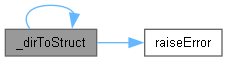
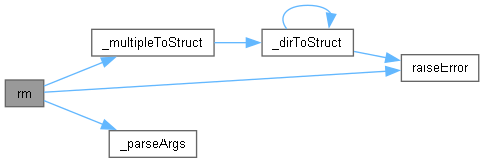
References _dirToStruct(), and raiseError().

Referenced by _dirToStruct(), _multipleToStruct(), and find().

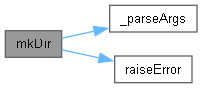
Here is the call graph for this function:
Here is the caller graph for this function:

◆ _multipleToStruct()

_multipleToStruct ( $files)
staticprotected

Creates a nested array representing the structure of a directory and files

Parameters
array$filesArray listing files and dirs
Returns
array
See also
System::_dirToStruct()

Definition at line 184 of file System.php.

185 {
186 $struct = array('dirs' => array(), 'files' => array());
187 settype($files, 'array');
188 foreach ($files as $file) {
189 if (is_dir($file) && !is_link($file)) {
190 $tmp = System::_dirToStruct($file, 0);
191 $struct = array_merge_recursive($tmp, $struct);
192 } else {
193 if (!in_array($file, $struct['files'])) {
194 $struct['files'][] = $file;
195 }
196 }
197 }
198 return $struct;
199 }

References _dirToStruct().

Referenced by rm().

Here is the call graph for this function:
Here is the caller graph for this function:

◆ _parseArgs()

_parseArgs ( $argv,
$short_options,
$long_options = null )
static

returns the commandline arguments of a function

Parameters
string$argvthe commandline
string$short_optionsthe allowed option short-tags
string$long_optionsthe allowed option long-tags
Returns
array the given options and there values

Definition at line 68 of file System.php.

69 {
70 if (!is_array($argv) && $argv !== null) {
71 /*
72 // Quote all items that are a short option
73 $av = preg_split('/(\A| )--?[a-z0-9]+[ =]?((?<!\\\\‍)((,\s*)|((?<!,)\s+))?)/i', $argv, -1, PREG_SPLIT_NO_EMPTY | PREG_SPLIT_OFFSET_CAPTURE);
74 $offset = 0;
75 foreach ($av as $a) {
76 $b = trim($a[0]);
77 if ($b[0] == '"' || $b[0] == "'") {
78 continue;
79 }
80
81 $escape = escapeshellarg($b);
82 $pos = $a[1] + $offset;
83 $argv = substr_replace($argv, $escape, $pos, strlen($b));
84 $offset += 2;
85 }
86 */
87
88 // Find all items, quoted or otherwise
89 preg_match_all("/(?:[\"'])(.*?)(?:['\"])|([^\s]+)/", $argv, $av);
90 $argv = $av[1];
91 foreach ($av[2] as $k => $a) {
92 if (empty($a)) {
93 continue;
94 }
95 $argv[$k] = trim($a) ;
96 }
97 }
98
99 return Console_Getopt::getopt2($argv, $short_options, $long_options);
100 }
static getopt2($args, $short_options, $long_options=null, $skip_unknown=false)
Definition Getopt.php:69
$argv
Definition pearcmd.php:137

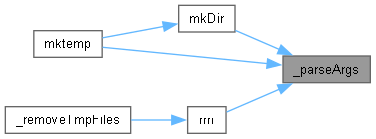
References $argv.

Referenced by mkDir(), mktemp(), and rm().

Here is the caller graph for this function:

◆ _removeTmpFiles()

_removeTmpFiles ( )
static

Remove temporary files created my mkTemp. This function is executed at script shutdown time

Definition at line 445 of file System.php.

446 {
447 if (count($GLOBALS['_System_temp_files'])) {
448 $delete = $GLOBALS['_System_temp_files'];
449 array_unshift($delete, '-r');
450 System::rm($delete);
451 $GLOBALS['_System_temp_files'] = array();
452 }
453 }
$GLOBALS['_PEAR_default_error_mode']
Definition PEAR.php:46

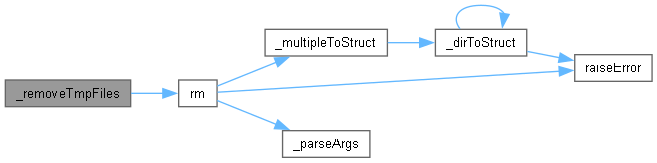
References $GLOBALS, and rm().

Here is the call graph for this function:

◆ cat()

& cat ( $args)
static

Concatenate files

Usage: 1) $var = System\cat('sample.txt test.txt'); 2) System\cat('sample.txt test.txt > final.txt'); 3) System\cat('sample.txt test.txt >> final.txt');

Note: as the class use fopen, urls should work also

Parameters
string$argsthe arguments
Returns
boolean true on success

Definition at line 323 of file System.php.

324 {
325 $ret = null;
326 $files = array();
327 if (!is_array($args)) {
328 $args = preg_split('/\s+/', $args, -1, PREG_SPLIT_NO_EMPTY);
329 }
330
331 $count_args = count($args);
332 for ($i = 0; $i < $count_args; $i++) {
333 if ($args[$i] == '>') {
334 $mode = 'wb';
335 $outputfile = $args[$i+1];
336 break;
337 } elseif ($args[$i] == '>>') {
338 $mode = 'ab+';
339 $outputfile = $args[$i+1];
340 break;
341 } else {
342 $files[] = $args[$i];
343 }
344 }
345 $outputfd = false;
346 if (isset($mode)) {
347 if (!$outputfd = fopen($outputfile, $mode)) {
348 $err = System::raiseError("Could not open $outputfile");
349 return $err;
350 }
351 $ret = true;
352 }
353 foreach ($files as $file) {
354 if (!$fd = fopen($file, 'r')) {
355 System::raiseError("Could not open $file");
356 continue;
357 }
358 while ($cont = fread($fd, 2048)) {
359 if (is_resource($outputfd)) {
360 fwrite($outputfd, $cont);
361 } else {
362 $ret .= $cont;
363 }
364 }
365 fclose($fd);
366 }
367 if (is_resource($outputfd)) {
368 fclose($outputfd);
369 }
370 return $ret;
371 }
static raiseError($error)
Definition System.php:109

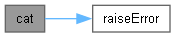
References raiseError().

Here is the call graph for this function:

◆ find()

find ( $args)
static

The "find" command

Usage:

System\find($dir); System\find("$dir -type d"); System\find("$dir -type f"); System\find("$dir -name *.php"); System\find("$dir -name *.php -name *.htm*"); System\find("$dir -maxdepth 1");

Params implemented: $dir -> Start the search at this directory -type d -> return only directories -type f -> return only files -maxdepth <n> -> max depth of recursion -name <pattern> -> search pattern (bash style). Multiple -name param allowed

Parameters
mixedEither array or string with the command line
Returns
array Array of found files

Definition at line 568 of file System.php.

569 {
570 if (!is_array($args)) {
571 $args = preg_split('/\s+/', $args, -1, PREG_SPLIT_NO_EMPTY);
572 }
573 $dir = realpath(array_shift($args));
574 if (!$dir) {
575 return array();
576 }
577 $patterns = array();
578 $depth = 0;
579 $do_files = $do_dirs = true;
580 $args_count = count($args);
581 for ($i = 0; $i < $args_count; $i++) {
582 switch ($args[$i]) {
583 case '-type':
584 if (in_array($args[$i+1], array('d', 'f'))) {
585 if ($args[$i+1] == 'd') {
586 $do_files = false;
587 } else {
588 $do_dirs = false;
589 }
590 }
591 $i++;
592 break;
593 case '-name':
594 $name = preg_quote($args[$i+1], '#');
595 // our magic characters ? and * have just been escaped,
596 // so now we change the escaped versions to PCRE operators
597 $name = strtr($name, array('\?' => '.', '\*' => '.*'));
598 $patterns[] = '('.$name.')';
599 $i++;
600 break;
601 case '-maxdepth':
602 $depth = $args[$i+1];
603 break;
604 }
605 }
606 $path = System::_dirToStruct($dir, $depth, 0, true);
607 if ($do_files && $do_dirs) {
608 $files = array_merge($path['files'], $path['dirs']);
609 } elseif ($do_dirs) {
610 $files = $path['dirs'];
611 } else {
612 $files = $path['files'];
613 }
614 if (count($patterns)) {
615 $dsq = preg_quote(DIRECTORY_SEPARATOR, '#');
616 $pattern = '#(^|'.$dsq.')'.implode('|', $patterns).'($|'.$dsq.')#';
617 $ret = array();
618 $files_count = count($files);
619 for ($i = 0; $i < $files_count; $i++) {
620 // only search in the part of the file below the current directory
621 $filepart = basename($files[$i]);
622 if (preg_match($pattern, $filepart)) {
623 $ret[] = $files[$i];
624 }
625 }
626 return $ret;
627 }
628 return $files;
629 }

References _dirToStruct().

Here is the call graph for this function:

◆ mkDir()

mkDir ( $args)
static

Make directories.

The -p option will create parent directories

Parameters
string$argsthe name of the director(y|ies) to create
Returns
bool True for success

Definition at line 254 of file System.php.

255 {
256 $opts = System::_parseArgs($args, 'pm:');
257 if (PEAR::isError($opts)) {
258 return System::raiseError($opts);
259 }
260
261 $mode = 0777; // default mode
262 foreach ($opts[0] as $opt) {
263 if ($opt[0] == 'p') {
264 $create_parents = true;
265 } elseif ($opt[0] == 'm') {
266 // if the mode is clearly an octal number (starts with 0)
267 // convert it to decimal
268 if (strlen($opt[1]) && $opt[1][0] == '0') {
269 $opt[1] = octdec($opt[1]);
270 } else {
271 // convert to int
272 $opt[1] += 0;
273 }
274 $mode = $opt[1];
275 }
276 }
277
278 $ret = true;
279 if (isset($create_parents)) {
280 foreach ($opts[1] as $dir) {
281 $dirstack = array();
282 while ((!file_exists($dir) || !is_dir($dir)) &&
283 $dir != DIRECTORY_SEPARATOR) {
284 array_unshift($dirstack, $dir);
285 $dir = dirname($dir);
286 }
287
288 while ($newdir = array_shift($dirstack)) {
289 if (!is_writeable(dirname($newdir))) {
290 $ret = false;
291 break;
292 }
293
294 if (!mkdir($newdir, $mode)) {
295 $ret = false;
296 }
297 }
298 }
299 } else {
300 foreach($opts[1] as $dir) {
301 if ((@file_exists($dir) || !is_dir($dir)) && !mkdir($dir, $mode)) {
302 $ret = false;
303 }
304 }
305 }
306
307 return $ret;
308 }
if(PEAR::isError($options)) $opts
Definition pearcmd.php:150

References $opts, _parseArgs(), and raiseError().

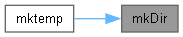
Referenced by mktemp().

Here is the call graph for this function:
Here is the caller graph for this function:

◆ mktemp()

mktemp ( $args = null)
static

Creates temporary files or directories. This function will remove the created files when the scripts finish its execution.

Usage: 1) $tempfile = System\mktemp("prefix"); 2) $tempdir = System\mktemp("-d prefix"); 3) $tempfile = System::mktemp(); 4) $tempfile = System\mktemp("-t /var/tmp prefix");

prefix -> The string that will be prepended to the temp name (defaults to "tmp"). -d -> A temporary dir will be created instead of a file. -t -> The target dir where the temporary (file|dir) will be created. If this param is missing by default the env vars TMP on Windows or TMPDIR in Unix will be used. If these vars are also missing c:\windows\temp or /tmp will be used.

Parameters
string$argsThe arguments
Returns
mixed the full path of the created (file|dir) or false
See also
System::tmpdir()

Definition at line 395 of file System.php.

396 {
397 static $first_time = true;
398 $opts = System::_parseArgs($args, 't:d');
399 if (PEAR::isError($opts)) {
400 return System::raiseError($opts);
401 }
402
403 foreach ($opts[0] as $opt) {
404 if ($opt[0] == 'd') {
405 $tmp_is_dir = true;
406 } elseif ($opt[0] == 't') {
407 $tmpdir = $opt[1];
408 }
409 }
410
411 $prefix = (isset($opts[1][0])) ? $opts[1][0] : 'tmp';
412 if (!isset($tmpdir)) {
413 $tmpdir = System::tmpdir();
414 }
415
416 if (!System::mkDir(array('-p', $tmpdir))) {
417 return false;
418 }
419
420 $tmp = tempnam($tmpdir, $prefix);
421 if (isset($tmp_is_dir)) {
422 unlink($tmp); // be careful possible race condition here
423 if (!mkdir($tmp, 0700)) {
424 return System::raiseError("Unable to create temporary directory $tmpdir");
425 }
426 }
427
428 $GLOBALS['_System_temp_files'][] = $tmp;
429 if (isset($tmp_is_dir)) {
430 //$GLOBALS['_System_temp_files'][] = dirname($tmp);
431 }
432
433 if ($first_time) {
434 PEAR::registerShutdownFunc(array('System', '_removeTmpFiles'));
435 $first_time = false;
436 }
437
438 return $tmp;
439 }
static registerShutdownFunc($func, $args=array())
Definition PEAR.php:284
static tmpdir()
Definition System.php:463

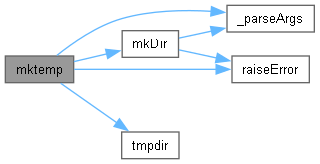
References $GLOBALS, $opts, _parseArgs(), mkDir(), raiseError(), and tmpdir().

Here is the call graph for this function:

◆ raiseError()

raiseError ( $error)
staticprotected

Output errors with PHP trigger_error(). You can silence the errors with prefixing a "@" sign to the function call: @System::mkdir(..);

Parameters
mixed$errora PEAR error or a string with the error message
Returns
bool false

Definition at line 109 of file System.php.

110 {
111 if (PEAR::isError($error)) {
112 $error = $error->getMessage();
113 }
114 trigger_error($error, E_USER_WARNING);
115 return false;
116 }

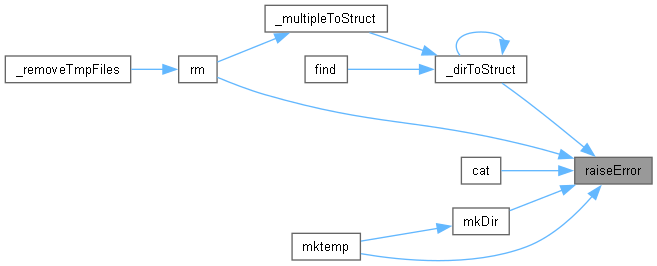
Referenced by _dirToStruct(), cat(), mkDir(), mktemp(), and rm().

Here is the caller graph for this function:

◆ rm()

rm ( $args)
static

The rm command for removing files. Supports multiple files and dirs and also recursive deletes

Parameters
string$argsthe arguments for rm
Returns
mixed PEAR_Error or true for success

@access public

Definition at line 210 of file System.php.

211 {
212 $opts = System::_parseArgs($args, 'rf'); // "f" does nothing but I like it :-)
213 if (PEAR::isError($opts)) {
214 return System::raiseError($opts);
215 }
216 foreach ($opts[0] as $opt) {
217 if ($opt[0] == 'r') {
218 $do_recursive = true;
219 }
220 }
221 $ret = true;
222 if (isset($do_recursive)) {
223 $struct = System::_multipleToStruct($opts[1]);
224 foreach ($struct['files'] as $file) {
225 if (!@unlink($file)) {
226 $ret = false;
227 }
228 }
229
230 rsort($struct['dirs']);
231 foreach ($struct['dirs'] as $dir) {
232 if (!@rmdir($dir)) {
233 $ret = false;
234 }
235 }
236 } else {
237 foreach ($opts[1] as $file) {
238 $delete = (is_dir($file)) ? 'rmdir' : 'unlink';
239 if (!@$delete($file)) {
240 $ret = false;
241 }
242 }
243 }
244 return $ret;
245 }
static _multipleToStruct($files)
Definition System.php:184

References $opts, _multipleToStruct(), _parseArgs(), and raiseError().

Referenced by _removeTmpFiles().

Here is the call graph for this function:
Here is the caller graph for this function:

◆ tmpdir()

tmpdir ( )
static

Get the path of the temporal directory set in the system by looking in its environments variables. Note: php.ini-recommended removes the "E" from the variables_order setting, making unavaible the $_ENV array, that s why we do tests with _ENV

Returns
string The temporary directory on the system

Definition at line 463 of file System.php.

464 {
465 if (OS_WINDOWS) {
466 if ($var = isset($_ENV['TMP']) ? $_ENV['TMP'] : getenv('TMP')) {
467 return $var;
468 }
469 if ($var = isset($_ENV['TEMP']) ? $_ENV['TEMP'] : getenv('TEMP')) {
470 return $var;
471 }
472 if ($var = isset($_ENV['USERPROFILE']) ? $_ENV['USERPROFILE'] : getenv('USERPROFILE')) {
473 return $var;
474 }
475 if ($var = isset($_ENV['windir']) ? $_ENV['windir'] : getenv('windir')) {
476 return $var;
477 }
478 return getenv('SystemRoot') . '\temp';
479 }
480 if ($var = isset($_ENV['TMPDIR']) ? $_ENV['TMPDIR'] : getenv('TMPDIR')) {
481 return $var;
482 }
483 return realpath(function_exists('sys_get_temp_dir') ? sys_get_temp_dir() : '/tmp');
484 }

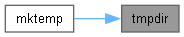
Referenced by mktemp().

Here is the caller graph for this function:

◆ which()

which ( $program,
$fallback = false )
static

The "which" command (show the full path of a command)

Parameters
string$programThe command to search for
mixed$fallbackValue to return if $program is not found
Returns
mixed A string with the full path or false if not found
Author
Stig Bakken ssb@p.nosp@m.hp.n.nosp@m.et

Definition at line 495 of file System.php.

496 {
497 // enforce API
498 if (!is_string($program) || '' == $program) {
499 return $fallback;
500 }
501
502 // full path given
503 if (basename($program) != $program) {
504 $path_elements[] = dirname($program);
505 $program = basename($program);
506 } else {
507 $path = getenv('PATH');
508 if (!$path) {
509 $path = getenv('Path'); // some OSes are just stupid enough to do this
510 }
511
512 $path_elements = explode(PATH_SEPARATOR, $path);
513 }
514
515 if (OS_WINDOWS) {
516 $exe_suffixes = getenv('PATHEXT')
517 ? explode(PATH_SEPARATOR, getenv('PATHEXT'))
518 : array('.exe','.bat','.cmd','.com');
519 // allow passing a command.exe param
520 if (strpos($program, '.') !== false) {
521 array_unshift($exe_suffixes, '');
522 }
523 } else {
524 $exe_suffixes = array('');
525 }
526
527 foreach ($exe_suffixes as $suff) {
528 foreach ($path_elements as $dir) {
529 $file = $dir . DIRECTORY_SEPARATOR . $program . $suff;
530 // It's possible to run a .bat on Windows that is_executable
531 // would return false for. The is_executable check is meaningless...
532 if (OS_WINDOWS) {
533 if (file_exists($file)) {
534 return $file;
535 }
536 } else {
537 if (is_executable($file)) {
538 return $file;
539 }
540 }
541 }
542 }
543 return $fallback;
544 }

The documentation for this class was generated from the following file:
  • E:/Bearsampp-development/sandbox/core/libs/php/pear/pear/System.php